
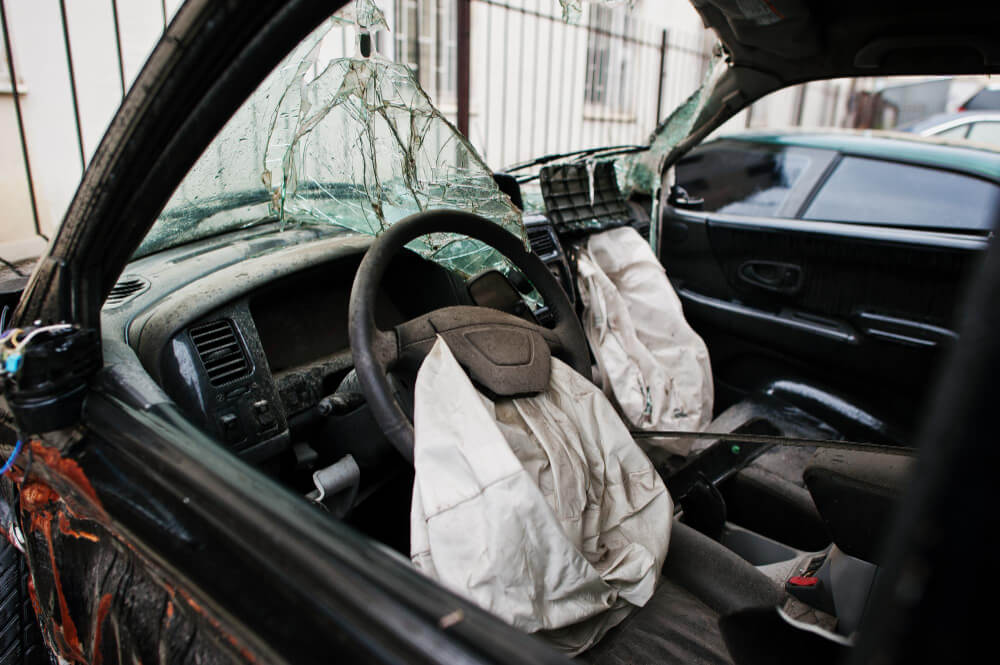
After a crash on one of Dallas’s busiest roads, the last thing most drivers are thinking about is what happens next with the vehicle. The insurance calls, the paperwork, the adrenaline still settling. But there is a quieter concern that tends to surface right as the tow truck pulls up: is moving this car going to make things worse?
That question is more reasonable than it might sound, and it deserves a clear answer. This article walks through which types of vehicle damage are most at risk during a tow, what separates accident recovery from standard towing, and what you can do at the scene to protect your car and your insurance claim. At Premio Towing Company, we handle accident recovery in Dallas, TX and are available 24/7 at 1 (469) 269-5499 if you need help right away.
The Concern Is More Valid Than Most Drivers Realize
Not all post-accident vehicles are in the same condition, and that distinction matters the moment someone decides how to move one. A car that looks relatively intact on the outside can have damage that is far more serious underneath. Bent axles, cracked oil pans, compromised suspension components, and frame shifts are not always visible from a glance at the body panels.
Here is the core issue: standard towing equipment and technique are designed for vehicles that are mechanically broken but structurally sound. A car with a dead battery or a flat tire can be hooked up and hauled without much concern for structural stability. A wrecked vehicle is a different situation entirely. Applying tension, load, or the wrong lifting angle to a car with hidden structural damage can shift, stress, or worsen what is already compromised.
This does not mean towing a wrecked car always causes additional damage. It means the method matters, and not every tow operator is trained or equipped to account for that difference.
Which Types of Damage Are Most at Risk When Towing a Wrecked Car
Some vehicle systems are more vulnerable than others when a damaged car is moved. Understanding these helps you ask the right questions at the scene.
Frame and structural damage is among the most serious concerns. A vehicle frame that has already been bent or compressed under collision forces can shift further if the car is loaded at the wrong angle or lifted from a compromised point. Recovery operators trained in accident response assess frame condition before selecting a loading approach.
Drivetrain and axle damage is a common reason a standard wheel-lift tow can go wrong. If a vehicle has axle damage and is towed with the affected wheels still on the ground, internal drivetrain components continue to grind during transport. A flatbed is almost always the safer option for any vehicle with suspected axle or drivetrain issues.
Fluid leaks present a secondary risk that is easy to overlook. A cracked oil pan or a damaged coolant line may remain manageable while the car is stationary. Tilting or loading a vehicle with active fluid leaks at the wrong angle can accelerate that loss and allow fluids to reach components they should not.
Electrical and airbag systems are less commonly discussed in this context but worth noting. Rough handling or improper securing of a post-collision vehicle can disturb already-sensitive wiring and sensor connections, which can complicate diagnostics at the repair shop later.
Not Every Tow Truck Is Set Up for a Wrecked Vehicle
Why Towing a Wrecked Car Requires a Different Approach
Standard towing is built for one scenario: a vehicle that cannot move under its own power but is otherwise structurally intact. Accident recovery is a different discipline. It accounts for structural instability, unusual vehicle positions, and damage that cannot be fully assessed from the outside.
The equipment used in accident recovery reflects this. Flatbed trucks with adjustable loading angles allow operators to bring the bed closer to the ground, reducing stress on the undercarriage during loading. Wheel-lift rigging designed for vehicles with axle damage distributes load more carefully than a standard hook. Strapping and cribbing techniques stabilize the vehicle on the truck bed before transport begins, preventing movement during the drive to the shop or storage facility.
The training matters just as much as the equipment. A recovery operator assesses the vehicle before touching it, identifies which areas are compromised, and selects a loading approach that works around the damage rather than against it.
How a Trained Recovery Operator Approaches a Wrecked Vehicle
Watching a professional accident recovery in action looks noticeably different from a routine tow, and understanding the process helps you recognize whether the person loading your car knows what they are doing.
The job starts with an assessment before any equipment is attached. The operator looks for fluid leaks, identifies visible frame or suspension damage, and notes whether the vehicle is sitting level or has shifted due to the collision. That information shapes every decision that follows.
From there, the loading method is selected based on the damage profile. A vehicle with front-end damage but an intact rear axle is handled differently than one with side-impact damage and compromised structural framing. The goal at every step is to move the car without adding new stress points to what is already weakened.
Once the vehicle is on the flatbed, it is secured with the appropriate straps and blocks to eliminate movement in transit. This matters because a loosely secured vehicle can shift during turns or hard braking, adding strain to components that are already in a fragile state.
What to Ask and Watch For at the Scene
You do not need mechanical expertise to protect your vehicle after a collision. A few direct questions at the scene go a long way.
Ask the tow operator whether they handle accident recovery specifically, not just general roadside towing. It is a straightforward question, and a trained recovery professional will have a confident, clear answer. If there is visible undercarriage damage, suspension problems, or the vehicle is resting at an unusual angle, ask how it will be loaded before work begins.
The following situations should prompt you to specifically request accident recovery rather than a standard tow:
- The vehicle was involved in a moderate to severe collision with visible structural or undercarriage damage
- One or more wheels are not rotating freely
- Fluid is actively leaking from beneath the vehicle
- The car came to rest off the roadway, in a ditch, or on its side
Being informed at the scene protects both your vehicle and the accuracy of your insurance claim. Damage introduced during an improper tow can complicate the repair assessment and affect your payout in ways that are difficult to undo after the fact.
The Short Answer: It Depends on Who Is Doing the Towing
Towing a wrecked car does carry real risk, but that risk drops significantly when a trained operator with the right equipment handles the job. The key point this article comes back to is simple: not every tow is the same, and not every tow truck is appropriate for every situation.
Post-collision vehicles need an assessment before they are moved, a loading method that accounts for existing damage, and secure transport from start to finish. When those steps are followed correctly, moving a damaged vehicle does not have to create new problems.
Drivers in the Dallas, TX area who need accident recovery handled with care can reach us at Premio Towing Company by calling 1 (469) 269-5499. We are available 24 hours a day, 7 days a week, and we bring the equipment and training that post-collision recovery requires.


